
Asphalt vs. Gravel Driveway: Which Is the Better Choice for Maine Homeowners?
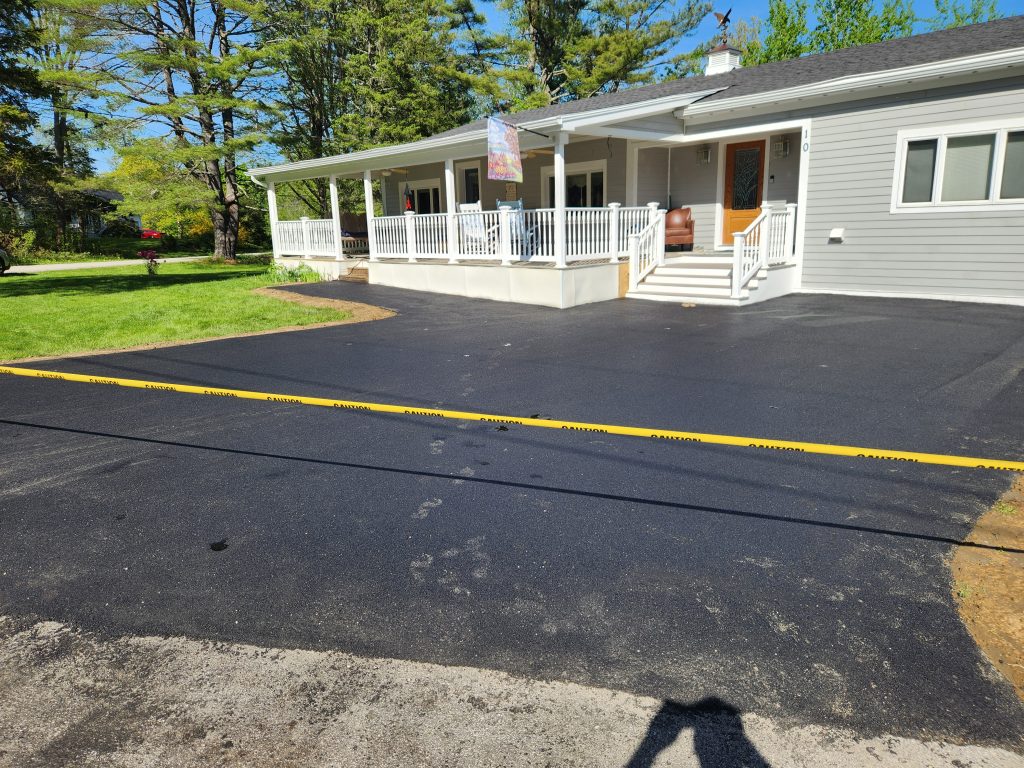
If you’ve ever called a paving contractor and started the conversation with “I’m not sure if I should even pave it or just keep the gravel,” you’re in good company. It’s one of the most common questions we hear at Discount Asphalt and Paving, and honestly, it’s one of the smartest questions a Maine homeowner can ask. The answer isn’t the same for everyone — it depends on your property, your budget, your long-term goals, and yes, the brutal reality of New England winters.
We’ve been helping homeowners across coastal Maine make this exact decision since 1969. Over 55 years as a family-owned operation gives you a clear picture of what holds up and what doesn’t when the ground freezes, the frost heaves, and the spring mud season arrives right on schedule.
Here’s everything you need to weigh the asphalt vs. gravel driveway decision with confidence.
Quick Comparison: Asphalt vs. Gravel Driveway
| Feature | Asphalt | Gravel |
|---|---|---|
| Upfront Cost | Higher ($3–$7/sq ft installed) | Lower ($1–$3/sq ft installed) |
| Lifespan | 20–30 years with maintenance | 5–10 years before major regrading |
| Maintenance | Sealcoating every 3–5 years | Annual regrading, top-dressing |
| Cold Climate Performance | Excellent with proper base | Good, but migrates and ruts |
| Curb Appeal | High — clean, finished look | Moderate — rustic or unfinished |
| Property Value Impact | Positive | Neutral to minimal |
| Best For | Suburban/residential, daily drivers | Rural, large acreage, outbuildings |
The Case for Gravel: When It Actually Makes Sense
Gravel gets a bad reputation, but the truth is it’s the right call in specific situations. We’d never talk a homeowner into asphalt if gravel genuinely makes more sense for their property.
Gravel is a strong choice when:
- You have a long, rural driveway — anything over 500 feet where paving costs become significant
- The driveway accesses a barn, woodlot, or outbuilding used seasonally
- You’re on a tight upfront budget and can accept ongoing maintenance costs
- The driveway grade or drainage situation needs more evaluation before committing to a permanent surface
- You have very soft or unstable soil that requires more base work than your budget currently allows
Gravel Driveway Pros and Cons in Maine
The lower upfront investment is real. Gravel also allows water to drain through rather than run off, which matters on steep or wooded lots. And if a section gets damaged, repairs are cheap.
The downsides add up fast, though. Gravel migrates — into your lawn, off the edges, down the slope. It needs regrading every year or two, especially after Maine’s freeze-thaw cycles churn and displace the surface. Dust in dry summers, mud in spring, and constant tracking into the house are part of the deal. Over a 20-year window, the cumulative maintenance cost of a gravel driveway often rivals — or exceeds — the cost of pavement.
The Case for Asphalt: Why Most Maine Homeowners Choose to Pave
For the majority of residential driveways in Belfast, Rockland, Camden, Searsport, and surrounding midcoast communities, asphalt wins on nearly every metric that matters to everyday homeowners.
Durability That Handles New England’s Worst
A properly installed asphalt driveway — with the right crushed stone base, correct thickness, and adequate drainage — is built to flex slightly through freeze-thaw cycles rather than crack catastrophically. This is why asphalt has dominated New England driveways for decades. It handles cold better than concrete and holds its structure far better than gravel.
See our [link to: asphalt paving cost Maine guide] for a full breakdown of what goes into a properly installed driveway in Maine.
Long-Term Maintenance Is Predictable and Low-Cost
Asphalt maintenance is straightforward: sealcoat every 3 to 5 years, fill any minor cracks before water gets in, and your driveway will last 20 to 30 years. That’s a known, manageable schedule — not the annual grading and top-dressing that gravel demands. Learn more about keeping your investment in top shape at our [link to: asphalt driveway maintenance] resource.
Curb Appeal and Property Value
A freshly paved driveway looks finished. It signals care and investment in a property. For homeowners who may sell in the next 5 to 15 years, a paved driveway is a consistent positive in buyer perception.
Reasons homeowners in Maine choose asphalt:
- Clean, low-maintenance surface for daily use
- No gravel tracking into the garage or home
- Better snowplowing — blades glide cleanly without scattering surface material
- Defined edges that stay put
- Increased property value and curb appeal
How Maine’s Climate Affects the Decision
Maine’s climate is arguably the single biggest factor — and one that residents of other states don’t fully appreciate. Coastal Maine sees freeze-thaw cycles that can occur dozens of times in a single winter.
What This Means for Gravel
Freeze-thaw action is gravel’s enemy. Every cycle works the surface material upward and outward. By late March, a gravel driveway that was smooth in November looks like a completely different surface. Frost heaving can create ruts deep enough to bottom out a standard vehicle. Annual regrading in Maine isn’t optional — it’s a requirement.
What This Means for Asphalt
Asphalt is not immune to freeze-thaw damage, but a correctly installed driveway handles it far better than bare gravel. The key phrase is “correctly installed.” Cutting corners on base depth is the primary reason Maine driveways fail prematurely. After 55+ decades of paving across midcoast and central Maine, our crews know the soil conditions, drainage patterns, and frost depths specific to this region.
Cost Breakdown: Paved Driveway vs. Gravel in Maine
Upfront Installation Costs
| Gravel | Asphalt | |
|---|---|---|
| Typical range | $1.00 – $3.00 per sq ft | $3.00 – $7.00 per sq ft |
| Average 2-car driveway (1,000 sq ft) | $1,000 – $3,000 | $3,000 – $7,000 |
20-Year Cost of Ownership (Approximate)
Gravel:
- Installation: $2,000
- Annual regrading + top-dressing ($400/yr × 20): $8,000
- Total: ~$10,000+
Asphalt:
- Installation: $5,000
- Sealcoats every 4 years ($300 × 5): $1,500
- Minor crack repairs: $500
- Total: ~$7,000
Over time, asphalt is frequently the more economical choice — even before factoring in property value impact.
Which One Is Right for Your Property?
Choose gravel if:
- Your driveway is longer than 400–500 feet and budget is a primary constraint
- The surface accesses a seasonal or agricultural area, not your primary home entrance
- You’re planning significant landscaping changes and want to defer paving
- You’re comfortable with annual maintenance
Choose asphalt if:
- This is your primary residential driveway used daily
- You want low-maintenance, long-term durability
- Curb appeal and property value matter to your plans
- You want clean, reliable snowplowing performance
- You’re tired of gravel migrating, rutting, and tracking inside
If you’re still on the fence, get an estimate for both and compare the long-term numbers for your specific property. A good contractor will give you a straight answer, not push you toward the higher-ticket option.
Talk to Discount Asphalt and Paving About Your Options
Since 1969, we’ve been the family-owned paving team that coastal Maine homeowners trust to give them a straight answer. Whether you’re ready to schedule asphalt driveway installation in Maine or just want to talk through your options, we’re happy to help.
Call us at 207-323-5536 or visit discountasphalt.com to request a free estimate.
We serve Belfast, Searsport, Stockton Springs, Northport, Lincolnville, Camden, Rockland, and communities throughout midcoast and central Maine. Come talk to a family that’s been doing this right for over 55 years.
